
Global seaborne trade is expected to stall in 2025 with volumes forecast to grow by just 0.5%, according to the United Nations Conference on Trade and Development (UNCTAD). The organization's Review of Maritime Transport 2025 warns that shipping, which carries over 80% of the world's merchandise trade, is entering a period of heightened uncertainty after solid performance in 2024. The slowdown comes despite last year's record nearly 6% growth in ton-miles driven by long-distance rerouting caused by geopolitical tensions.
Political tensions, new tariffs, shifting trading patterns and reconfigured shipping lanes are reshaping the geography of maritime trade. Recent policy measures in the United States and several trading partners, including new tariffs, port fees and targeted restrictions on port calls by foreign-built or foreign-operated vessels, could further disrupt shipping routes and drive up costs. The result is more rerouting, skipped port calls, longer journeys and ultimately increased freight rates that have become more volatile, with disruptions such as the 2024 Red Sea crisis driving surges.
Developing economies, particularly small island developing states, least developed countries and African economies such as Nigeria, are expected to bear the brunt of persistent high transport costs. UNCTAD warns that these nations are most vulnerable because higher freight costs quickly translate into more expensive imports and food insecurity, potentially affecting trade flows and consumer prices. Maritime logistics remain key for developing countries in seizing critical minerals opportunities, which are becoming a new source of tension in global trade.
UNCTAD urged targeted measures to mitigate cost increases, strengthen port performance, and improve trade facilitation. The organization emphasized that transitions to zero carbon, digital systems and new trade routes "must be just transitions" that "build resilience, not deepen vulnerability." While digital systems such as maritime single windows and port community systems offer potential solutions, many developing countries continue to lag behind in digitalization, highlighting the urgent need for investment in both sustainability and technological infrastructure.
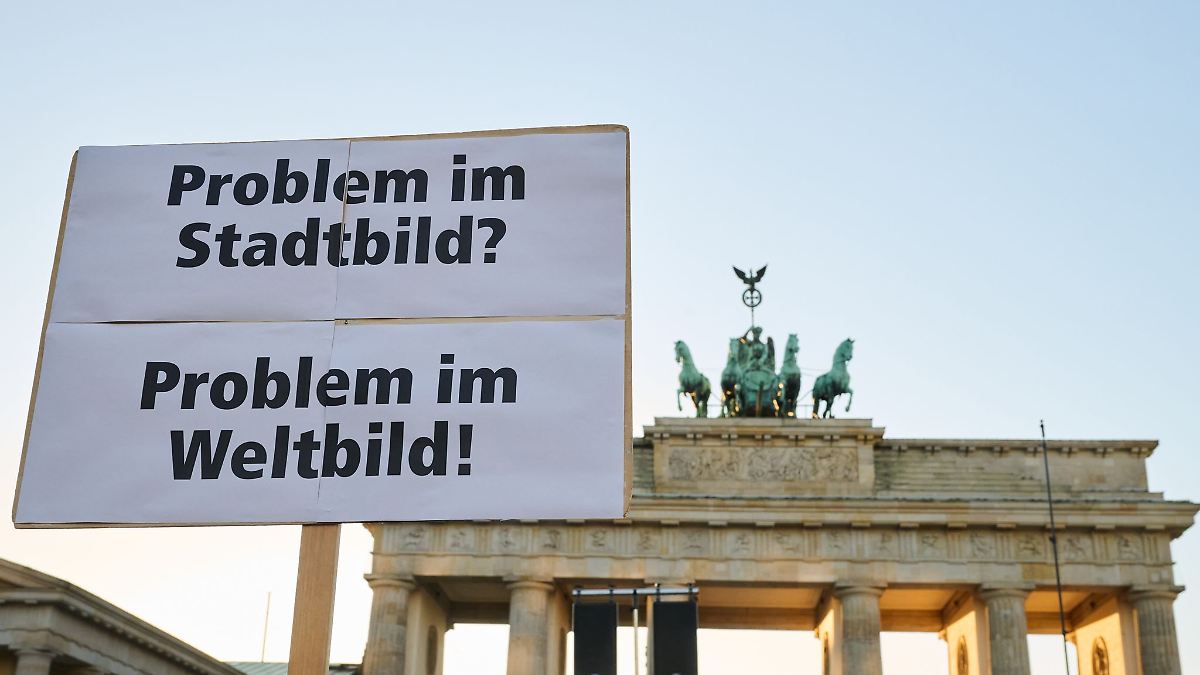
Hundreds of demonstrators gathered at Berlin's Brandenburg Gate on Sunday evening, forming a sea of lights with mobile phone torches and lighters to protest for diversity and against racism. The rally came just days after German Chancellor Friedrich Merz made controversial comments about...

MUNICH — Knorr-Bremse AG, the German manufacturer of braking systems for trucks and trains, announced on Monday it has agreed to acquire Dutch digital services platform TRAVIS Road Services International B.V. The deal, valued in the mid-double-digit million-euro range, represents the latest...

Former German Defense Minister Karl-Theodor zu Guttenberg has firmly rejected media interpretations suggesting he supports softening the Christian Democratic Union's so-called "firewall" against the far-right Alternative for Germany (AfD). The CSU politician told Deutsche Presse-Agentur in...

The mood in Germany's residential construction sector has improved to its highest level in over three years, according to the latest Ifo Institute survey. The business climate index for housing construction rose sharply in September to -21.8 points, up from -26.4 points in August, marking the...
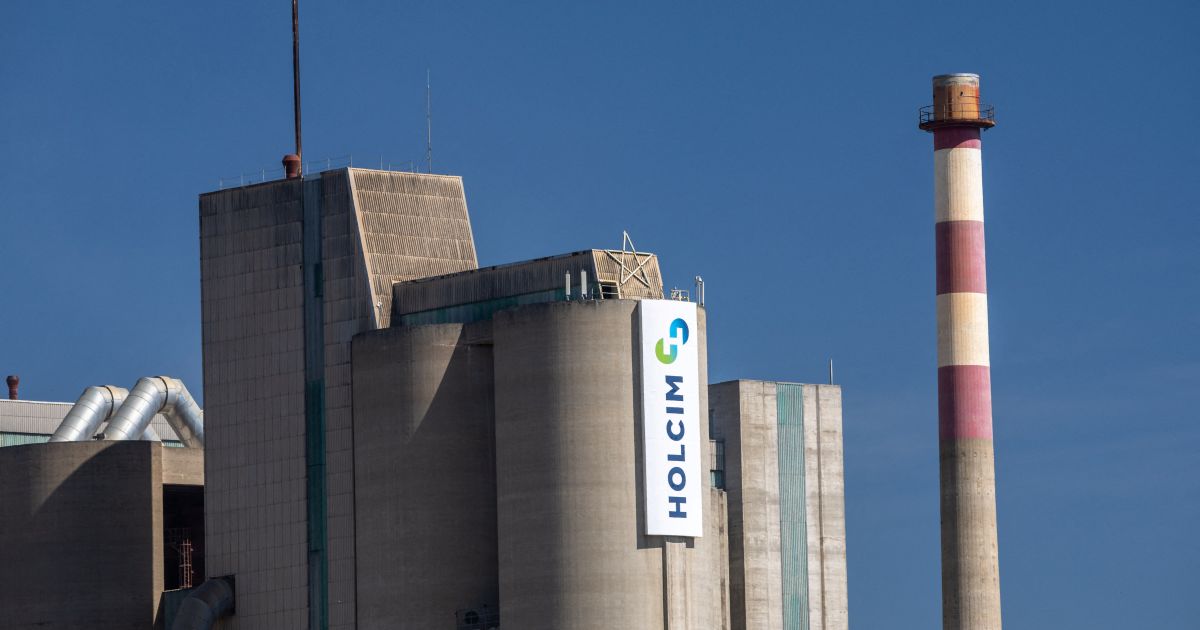
Swiss cement conglomerate Holcim has agreed to acquire German building materials manufacturer Xella for €1.85 billion, marking a significant strategic move in the European construction sector. The transaction, announced on Monday, is expected to be finalized in the second half of 2026,...
