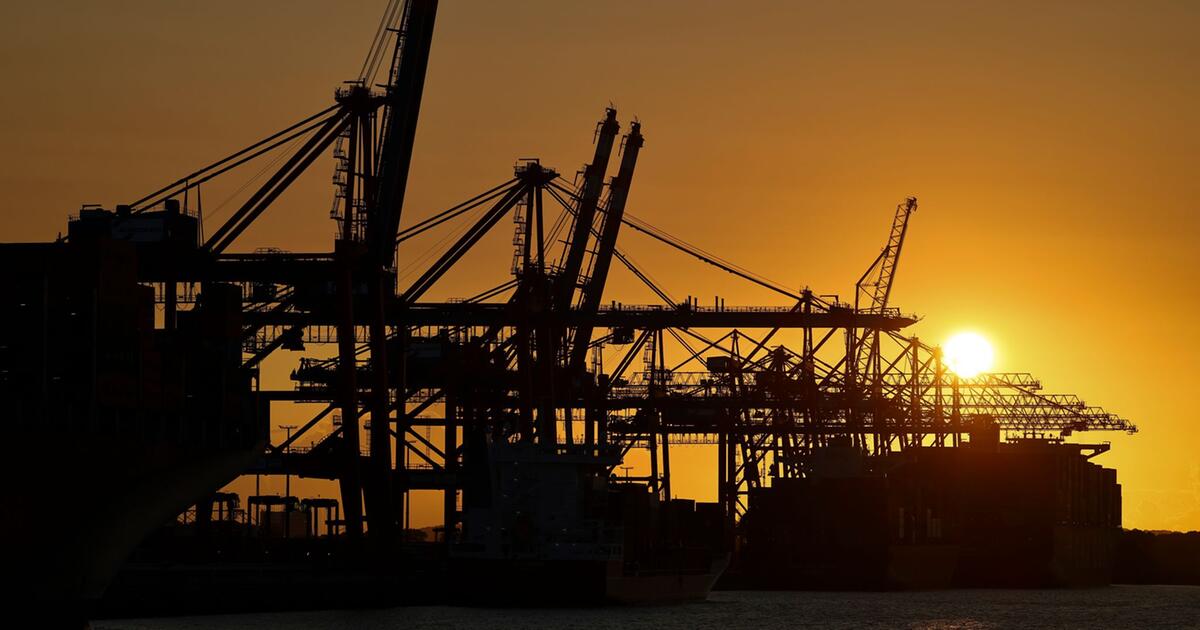
Germany's economy is slowly emerging from its prolonged weakness phase, according to leading economic research institutes, though the recovery remains fragile and dependent on government stimulus. The institutes project that the German economy will gradually regain momentum in the coming years, primarily driven by state-backed billion-euro investments aimed at upgrading the country's partially dilapidated infrastructure. However, economists caution that the economy continues to stand on "shaky ground," as noted by Geraldine Dany-Knedlik, business cycle expert at the German Institute for Economic Research in Berlin.
For the current year, the institutes expect only minimal growth of 0.2 percent in gross domestic product (GDP), a slight improvement from the 0.1 percent increase forecast in spring. The German economy has been stuck in a prolonged economic slump, with economic output shrinking in the past two years. Several factors continue to hamper recovery, including higher tariffs on EU imports that are slowing trade with the important US market. The German Foreign Trade Association (BGA) has projected a 2.5 percent export decline for 2025.
Key industrial sectors face significant challenges, with both the automotive and steel industries experiencing difficulties. Private consumption in Germany also fails to gain traction, adding to the economic headwinds. The institutes emphasize that without fundamental structural reforms, particularly to the social systems, the current economic dynamism will not be sustainable. They have called on the federal government to implement comprehensive reforms to ensure long-term economic stability.
The research institutes anticipate that the German economy will leave the trough behind and gradually regain some dynamism over the next two years. For 2026, they maintain their spring forecast of 1.3 percent GDP growth, followed by 1.4 percent growth projected for 2027. This expected recovery is largely attributed to "expansionary fiscal policy," referring to the 500 billion euro special fund financed through debt that is expected to boost the economy. While the outlook shows improvement, economists stress that sustained growth will require addressing underlying structural issues beyond short-term stimulus measures.

The International Biathlon Union is confronting climate change head-on with experimental roller-ski competitions, staging the Loop One Festival in Munich's Olympic Park as both a public showcase and practical preparation for potentially snowless winters. Top athletes from around the world...
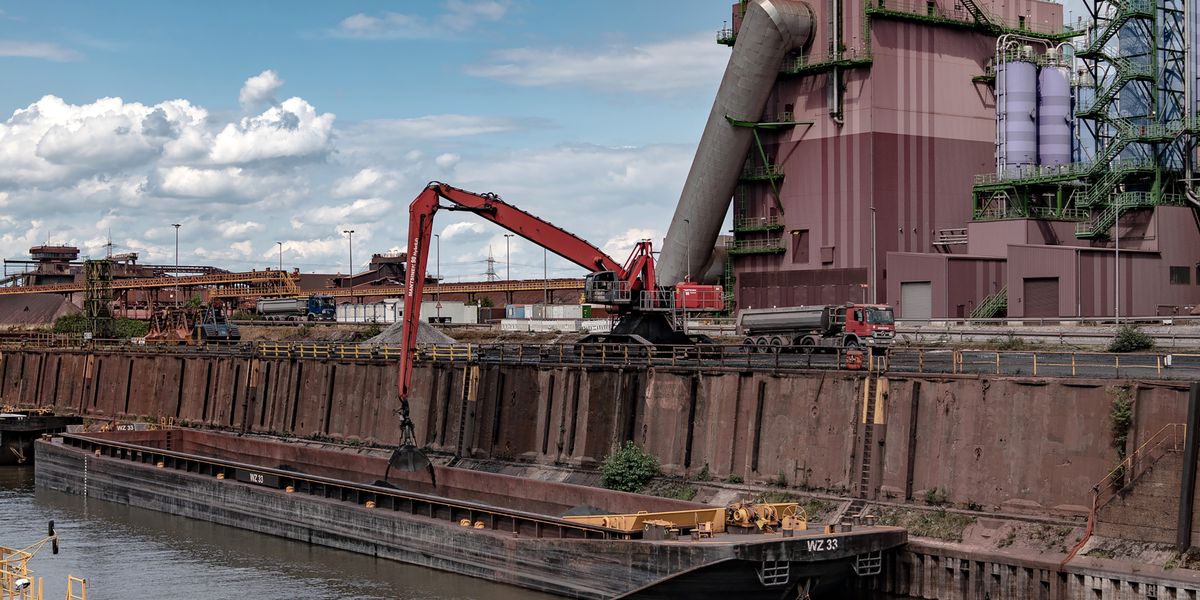
Thyssenkrupp Marine Systems (TKMS), Germany's largest naval shipbuilder, made a strong debut on the Frankfurt Stock Exchange Monday, with shares trading significantly above initial expectations. The stock opened at €60 per share, far surpassing analyst forecasts of approximately €36, and...
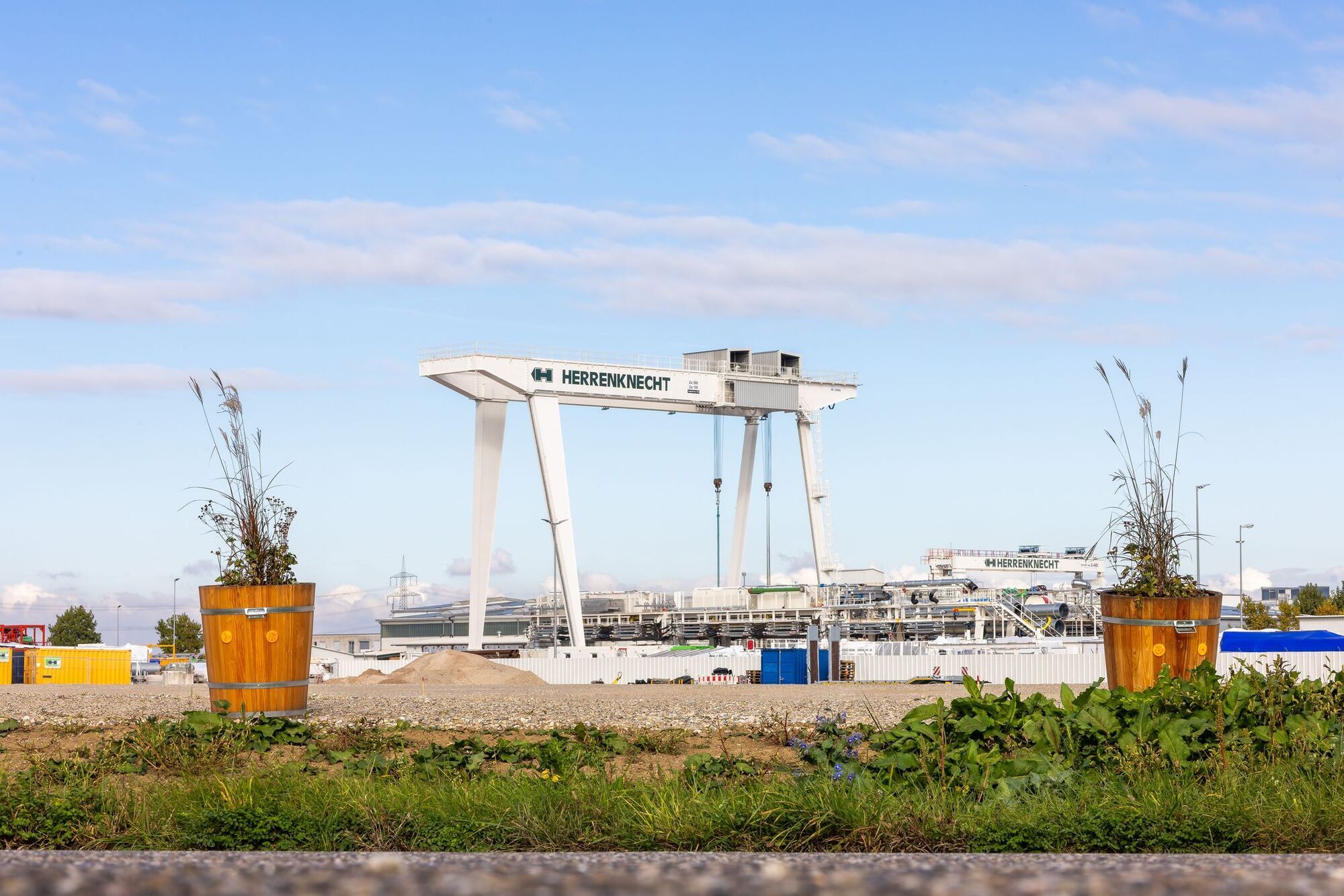
The small German municipality of Schwanau in Baden-Württemberg has become the unlikely stage for an escalating conflict between local government and one of the region's largest employers. The dispute centers around approximately 20 flower pots installed by the municipality two months ago...
MUNICH — Knorr-Bremse AG, the German manufacturer of braking systems for trucks and trains, announced on Monday it has agreed to acquire Dutch digital services platform TRAVIS Road Services International B.V. The deal, valued in the mid-double-digit million-euro range, represents the latest...
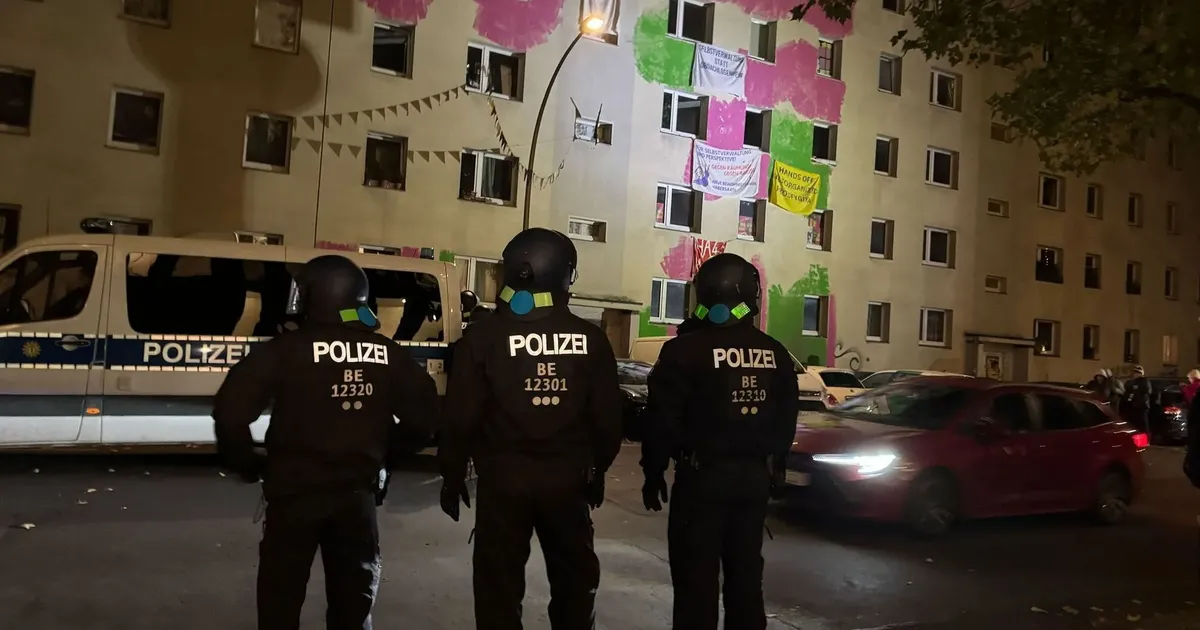
Berlin police deployed approximately 130 officers in a major operation to secure the eviction of a partially occupied residential building in the city's Mitte district near the Federal Intelligence Service and Natural History Museum. The operation, which has now concluded, saw police officers...
