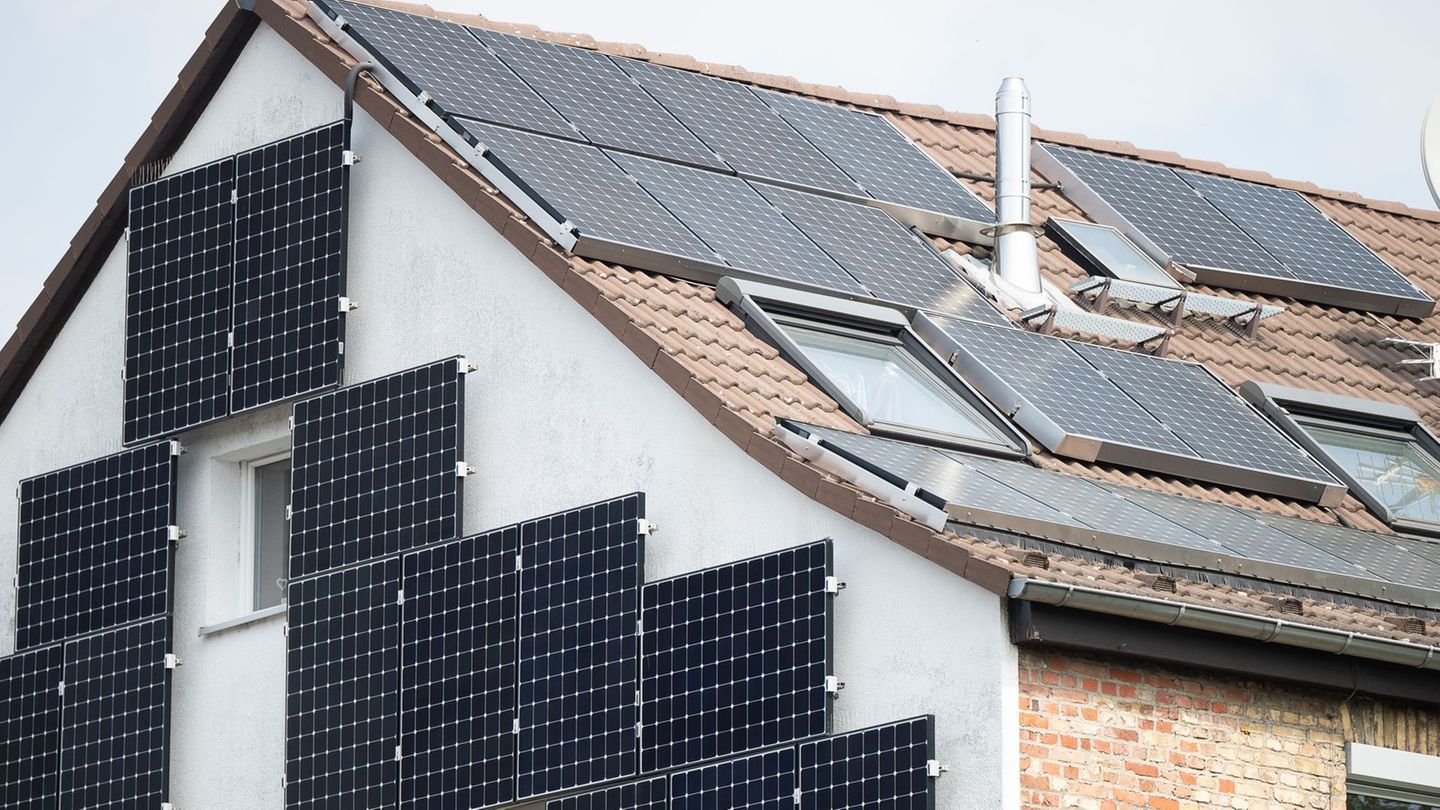
German households are showing declining willingness to actively participate in the country's energy transition despite overwhelming support for its goals, according to the latest KfW Energiewendebarometer survey. While 83 percent of private households consider the shift toward renewable energy important, only 59 percent express high readiness to drive the change themselves—the lowest level since the survey began in 2018. This marks a continued decline from 61 percent last year and 68 percent five years ago, highlighting a growing disconnect between public sentiment and individual action.
The retreat from active participation appears closely linked to financial pressures, particularly affecting lower-income households. Rising costs associated with the transition, including the increased CO2 price implemented since 2021, have made fossil fuel usage more expensive and created barriers for those dependent on traditional energy sources. The KfW survey of 5,119 households identifies these financial burdens as a significant obstacle preventing broader engagement with climate protection measures, even among those who conceptually support the energy transition.
Despite these challenges, the survey reveals notable adoption of sustainable technologies across German households. Approximately one-third of households currently utilize at least one green technology, with growing acceptance of photovoltaics, solar thermal systems, and electromobility. The use of heat pumps and wood pellets is also increasing, indicating that technological transition continues even as financial constraints dampen overall participation rates.
KfW Chief Economist Dirk Schumacher emphasizes the importance of better integrating lower-income households into the energy transition to maintain long-term public support. The findings suggest that while the conceptual foundation for Germany's Energiewende remains strong, practical implementation faces headwinds from economic realities that could shape both policy debates and household decisions in the coming years.
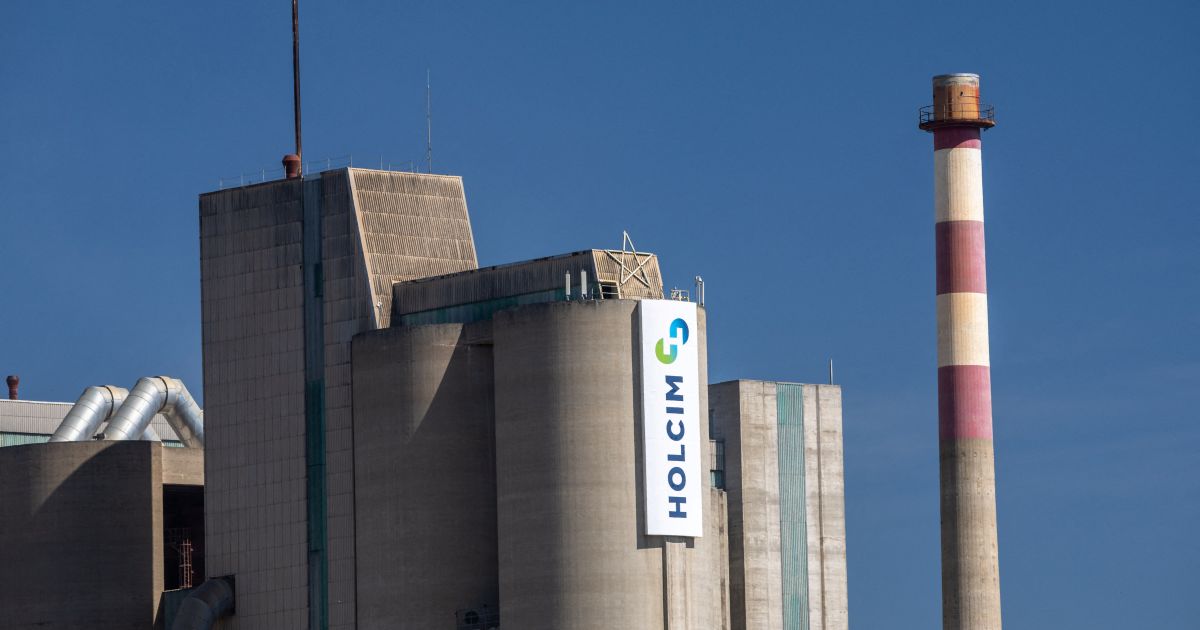
Swiss cement conglomerate Holcim has agreed to acquire German building materials manufacturer Xella for €1.85 billion, marking a significant strategic move in the European construction sector. The transaction, announced on Monday, is expected to be finalized in the second half of 2026,...

The International Biathlon Union is confronting climate change head-on with experimental roller-ski competitions, staging the Loop One Festival in Munich's Olympic Park as both a public showcase and practical preparation for potentially snowless winters. Top athletes from around the world...
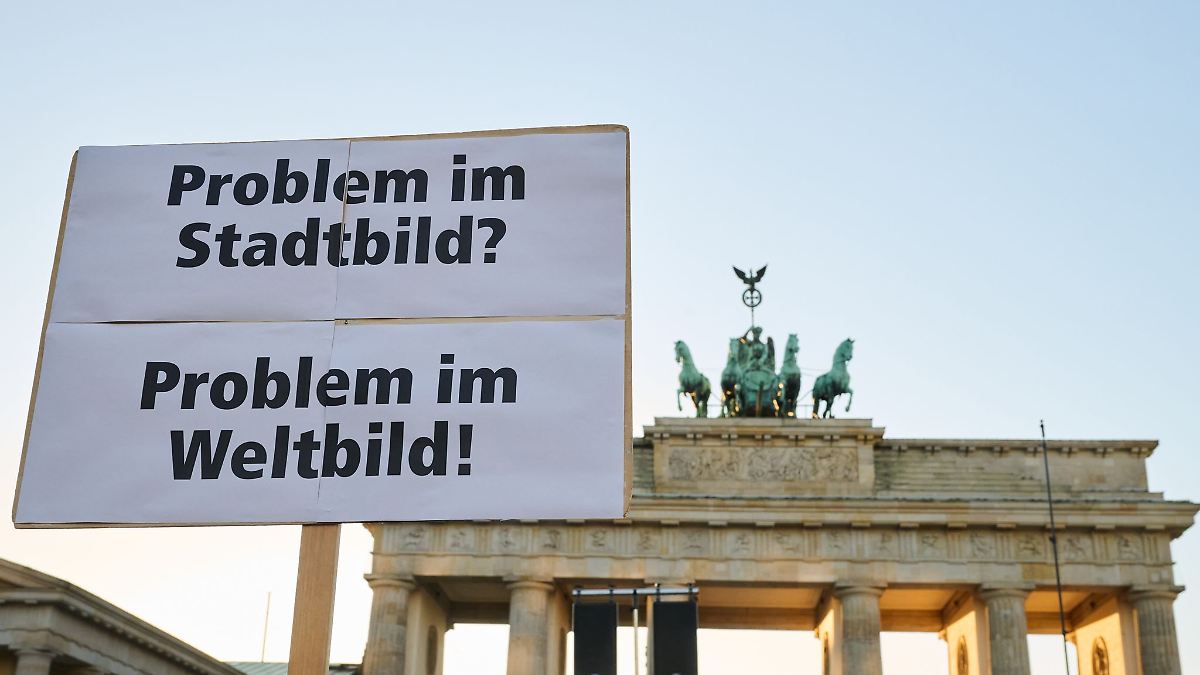
Hundreds of demonstrators gathered at Berlin's Brandenburg Gate on Sunday evening, forming a sea of lights with mobile phone torches and lighters to protest for diversity and against racism. The rally came just days after German Chancellor Friedrich Merz made controversial comments about...
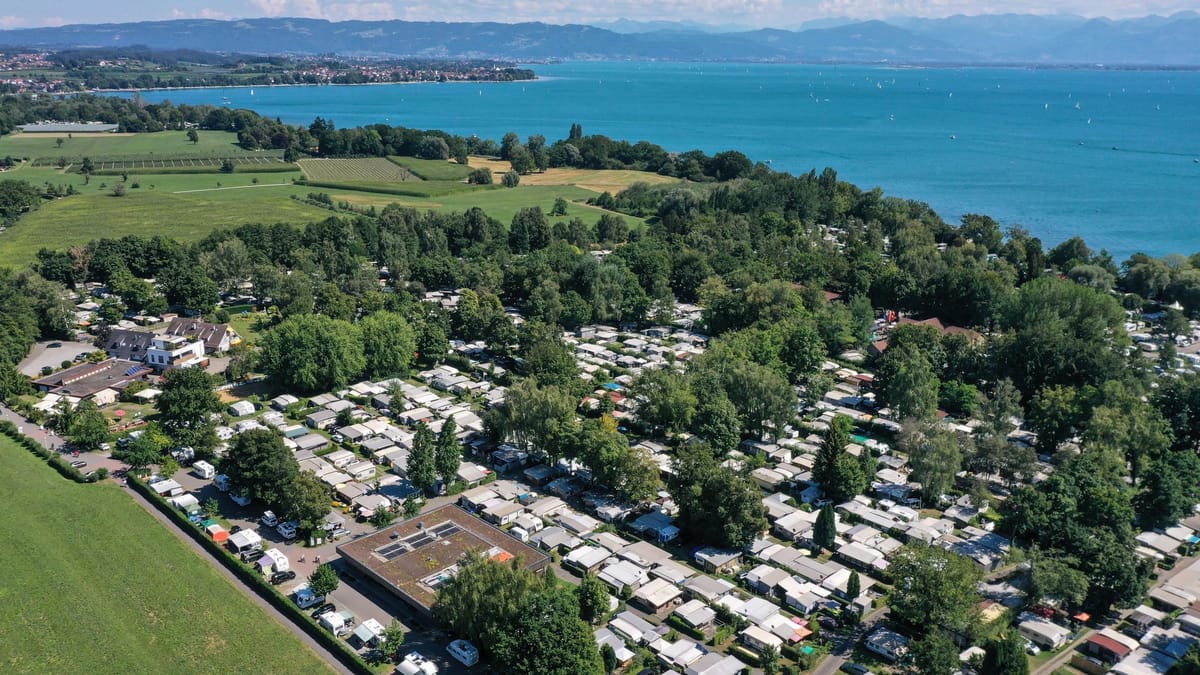
Baden-Württemberg's camping industry is poised for a record-breaking year, with camping enthusiasts flocking to popular regions like the Black Forest and Lake Constance. Kurt Bonath, chairman of the State Association of the Camping Industry in Baden-Württemberg, reported that many campground...
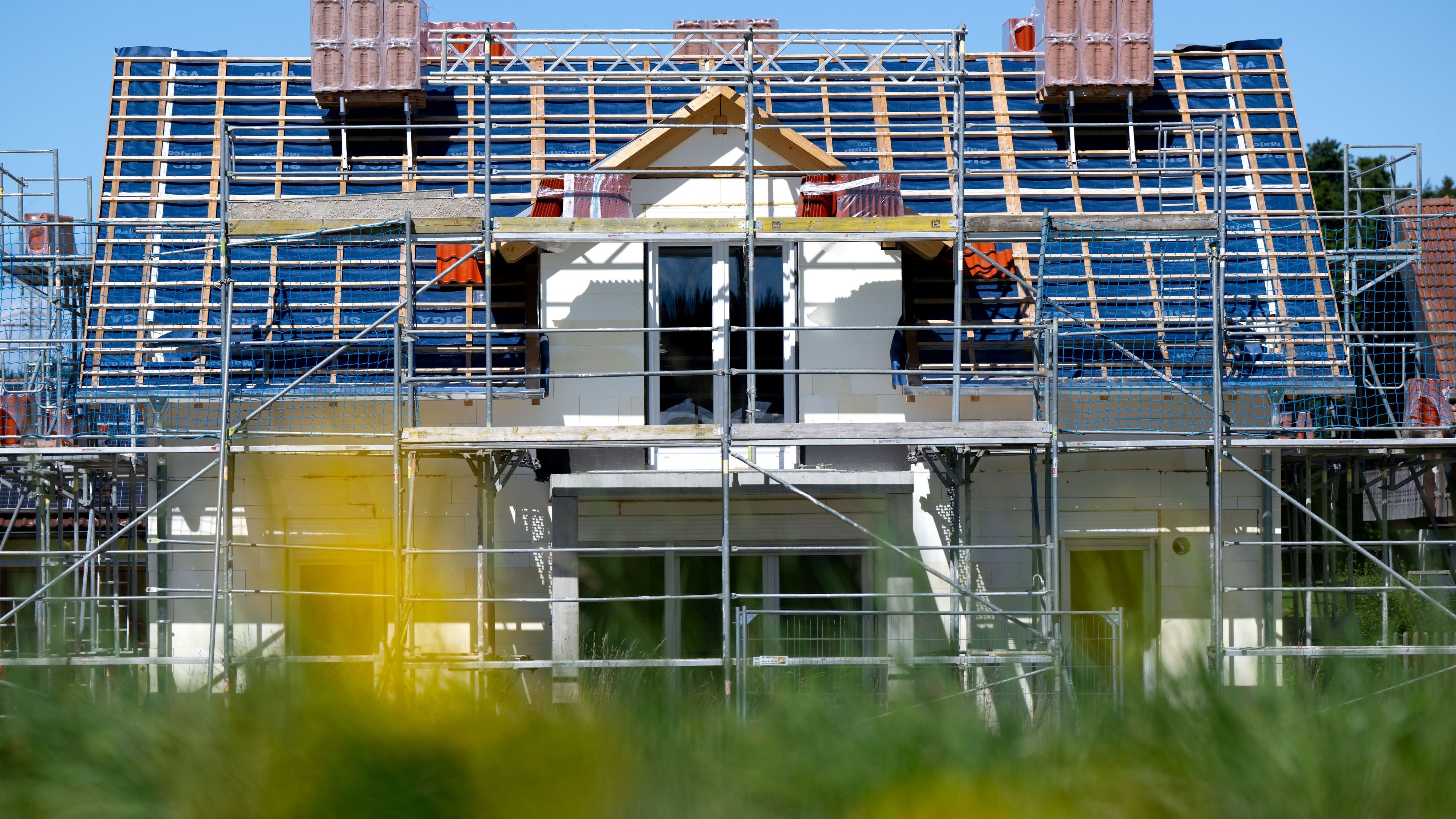
The mood in Germany's residential construction sector has improved to its highest level in over three years, according to the latest Ifo Institute survey. The business climate index for housing construction rose sharply in September to -21.8 points, up from -26.4 points in August, marking the...
