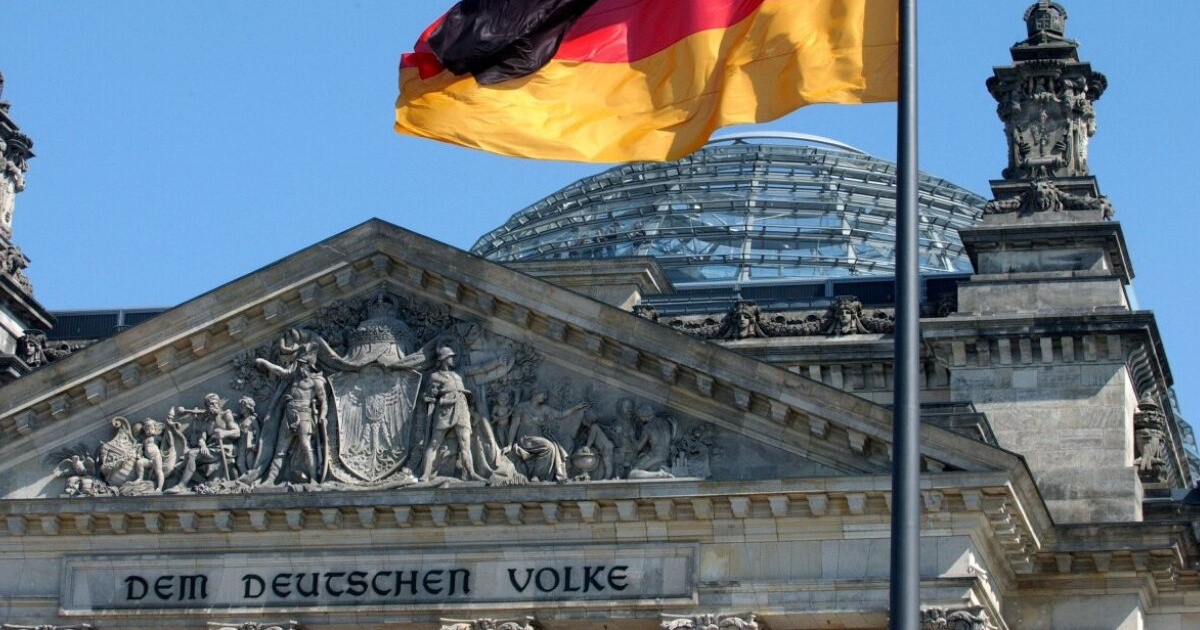
Germany's economy is set to leave its stagnation behind, with growth projections showing a modest recovery over the coming years. According to the autumn report from the country's leading economic research institutes, gross domestic product is expected to increase by 0.2 percent this year, followed by more substantial growth of 1.3 percent in 2026 and 1.4 percent in 2027. This represents a significant improvement after two years of recession, though the recovery remains fragile and dependent on government stimulus measures.
The expansion is largely driven by expansive fiscal policy, as the federal government utilizes extended borrowing rules to fund defense capabilities, infrastructure investments, and climate protection projects. However, the institutes note significant limitations to this approach. Funds for construction and defense projects are flowing slower than budgeted due to lengthy planning and procurement processes. Additionally, the borrowed funds are being used to avoid necessary fiscal consolidation, creating substantial adjustment needs by 2027 despite the extended credit facilities.
Dr. Geraldine Dany-Knedlik, head of forecasting and economic policy at the German Institute for Economic Research (DIW Berlin), emphasized the underlying fragility of the German economy. "The German economy continues to stand on shaky legs," she stated. "While it will recover noticeably in the coming two years, this dynamic will not be lasting given persistent structural weaknesses." The domestic economy is gaining momentum, particularly in service sectors and public administration, but this masks deeper problems rather than solving them.
The research institutes have presented a twelve-point plan for structural reforms aimed at making Germany more competitive for the future. They warn that without fundamental reforms to address high energy and unit labor costs compared to international competitors, skilled labor shortages, and declining competitiveness, the positive effects of the government's billion-euro stimulus packages risk fading away. The experts called on the coalition government to take stronger action to strengthen Germany's economic standing and improve business competitiveness for sustainable long-term growth.

Berlin police deployed approximately 130 officers in a major operation to secure the eviction of a partially occupied residential building in the city's Mitte district near the Federal Intelligence Service and Natural History Museum. The operation, which has now concluded, saw police officers...
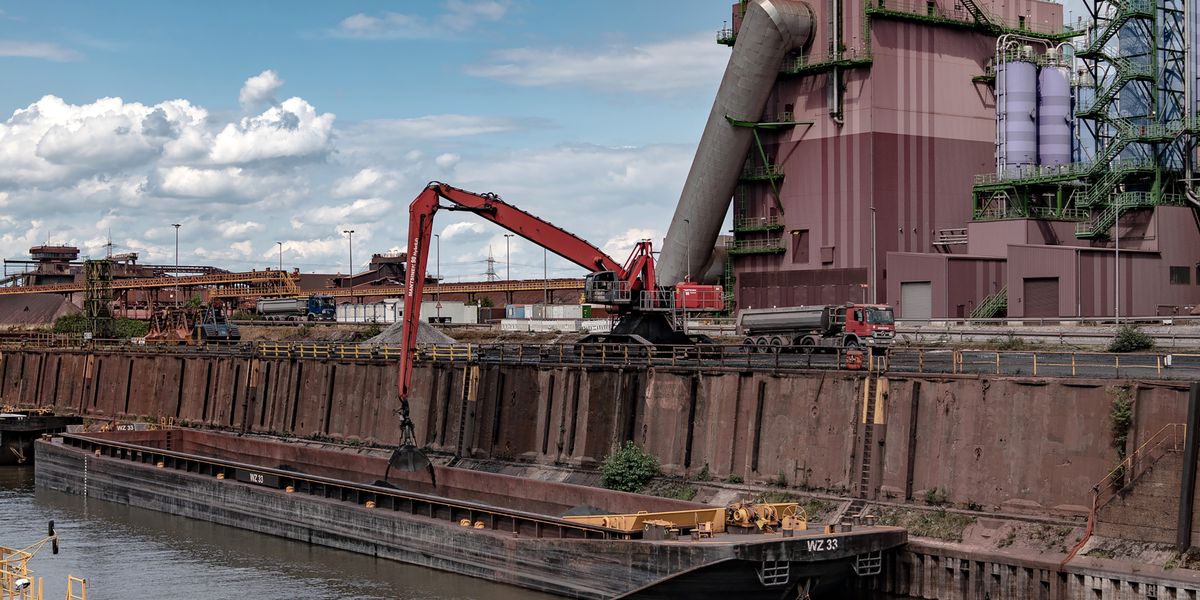
Thyssenkrupp Marine Systems (TKMS), Germany's largest naval shipbuilder, made a strong debut on the Frankfurt Stock Exchange Monday, with shares trading significantly above initial expectations. The stock opened at €60 per share, far surpassing analyst forecasts of approximately €36, and...
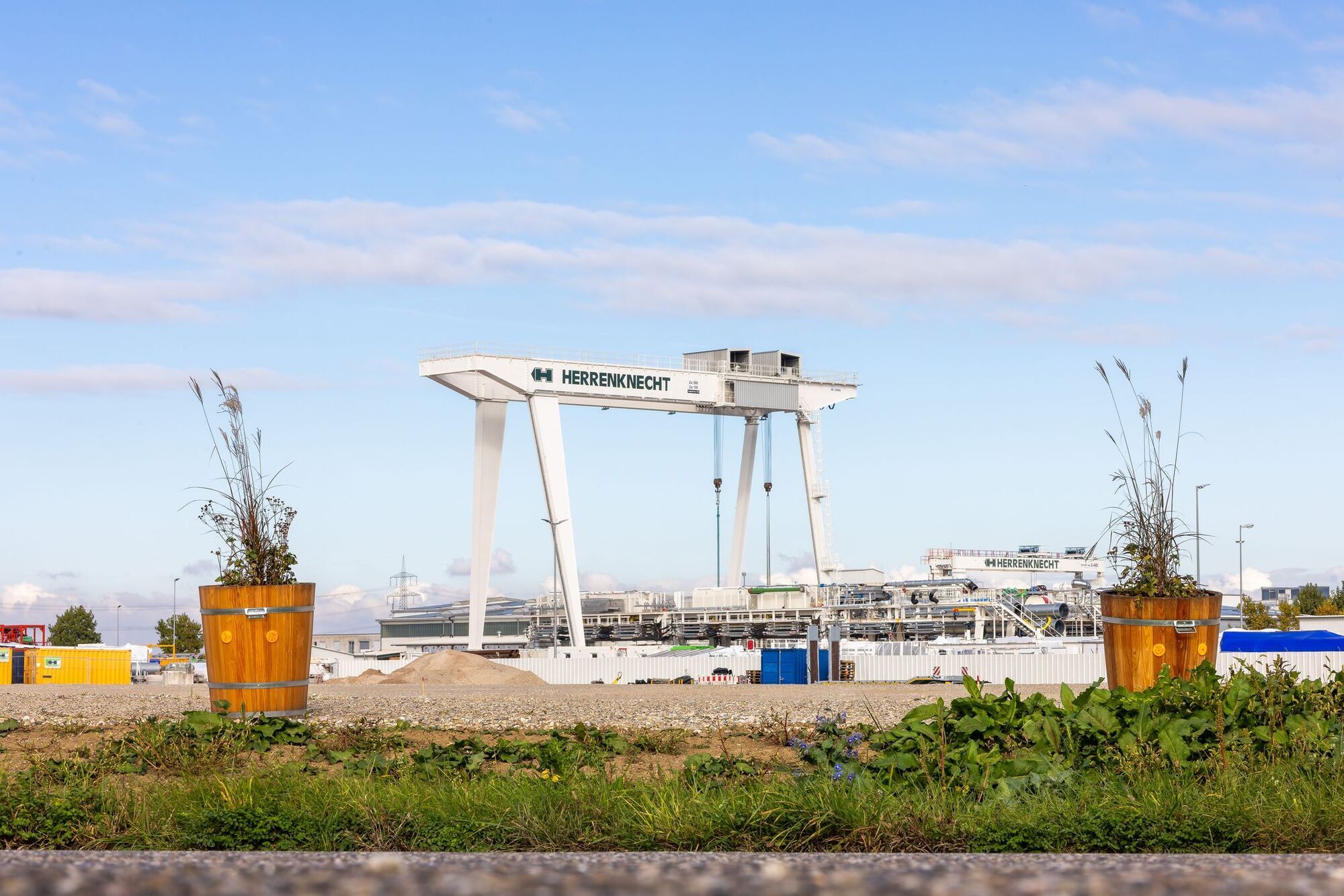
The small German municipality of Schwanau in Baden-Württemberg has become the unlikely stage for an escalating conflict between local government and one of the region's largest employers. The dispute centers around approximately 20 flower pots installed by the municipality two months ago...

Former German Defense Minister Karl-Theodor zu Guttenberg has firmly rejected media interpretations suggesting he supports softening the Christian Democratic Union's so-called "firewall" against the far-right Alternative for Germany (AfD). The CSU politician told Deutsche Presse-Agentur in...
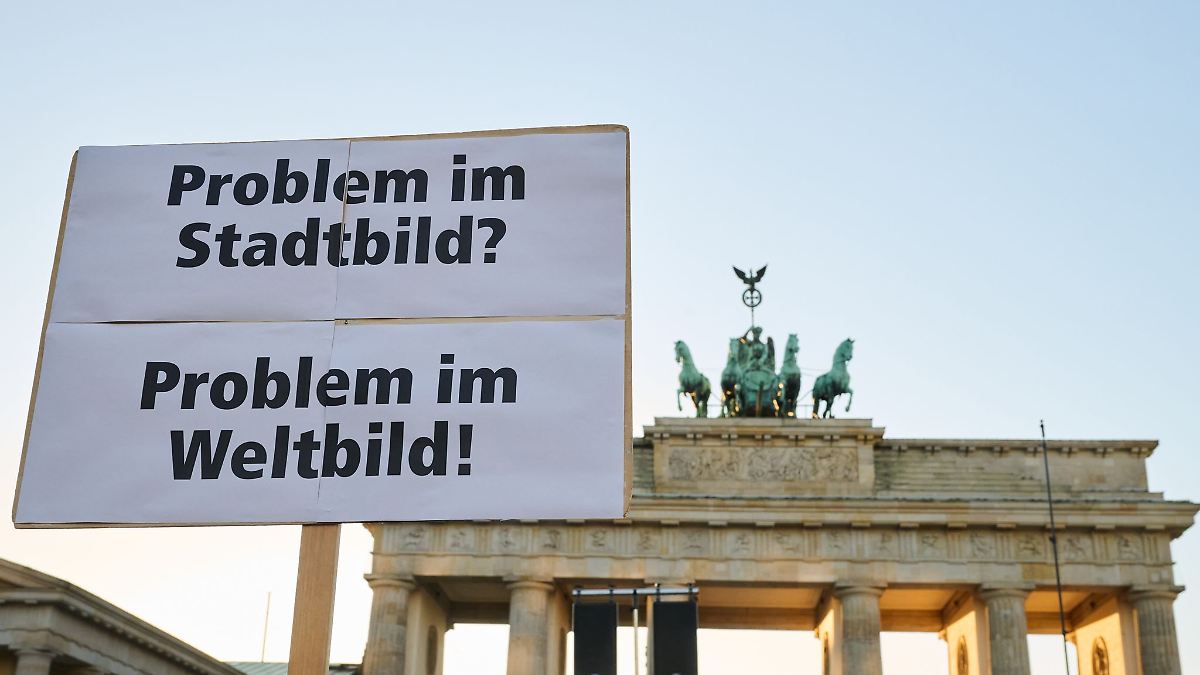
Hundreds of demonstrators gathered at Berlin's Brandenburg Gate on Sunday evening, forming a sea of lights with mobile phone torches and lighters to protest for diversity and against racism. The rally came just days after German Chancellor Friedrich Merz made controversial comments about...
