
Germany's healthcare system is on the brink of a significant challenge as a recent survey reveals that one in four general practitioners plans to cease their practice within the next five years. Conducted by the Bertelsmann Foundation and the University of Marburg, the survey highlights a growing discontent among general practitioners, primarily due to bureaucratic burdens and excessive workloads. With over 5,000 general practitioner positions already vacant, the situation is expected to worsen, potentially doubling the shortage in the coming years.
The survey, which gathered responses from nearly 3,700 general practitioners across Germany, found that those intending to stay in the profession are looking to reduce their weekly working hours by an average of two and a half hours by 2030. Currently, general practitioners work an average of 44 hours per week, significantly more than the average German worker. This disparity underscores the pressing need for reforms to make the profession more sustainable and attractive to both current practitioners and newcomers.
Experts suggest that the impending shortage does not necessarily have to lead to a decline in patient care. Uwe Schwenk, a director at the Bertelsmann Foundation, emphasizes the importance of optimizing the time general practitioners spend with patients. According to the survey, general practitioners dedicate approximately 80% of their working hours to consultations and home visits, with the remainder consumed by administrative tasks, continuing education, and other duties. Reducing bureaucratic overhead could free up more time for patient care, potentially mitigating the impact of fewer practitioners.
The findings call for immediate action to address the systemic issues plaguing Germany's general practice sector. Proposed solutions include streamlining administrative processes and offering more flexible working conditions to retain existing practitioners and attract new ones. As the federal government considers expanding the role of general practitioners in the healthcare system, ensuring their ability to meet these additional demands without further exacerbating burnout will be crucial. The time to act is now, before the shortage reaches a critical point that could compromise the quality of healthcare nationwide.

Thyssenkrupp Marine Systems (TKMS), Germany's largest naval shipbuilder, made a strong debut on the Frankfurt Stock Exchange Monday, with shares trading significantly above initial expectations. The stock opened at €60 per share, far surpassing analyst forecasts of approximately €36, and...
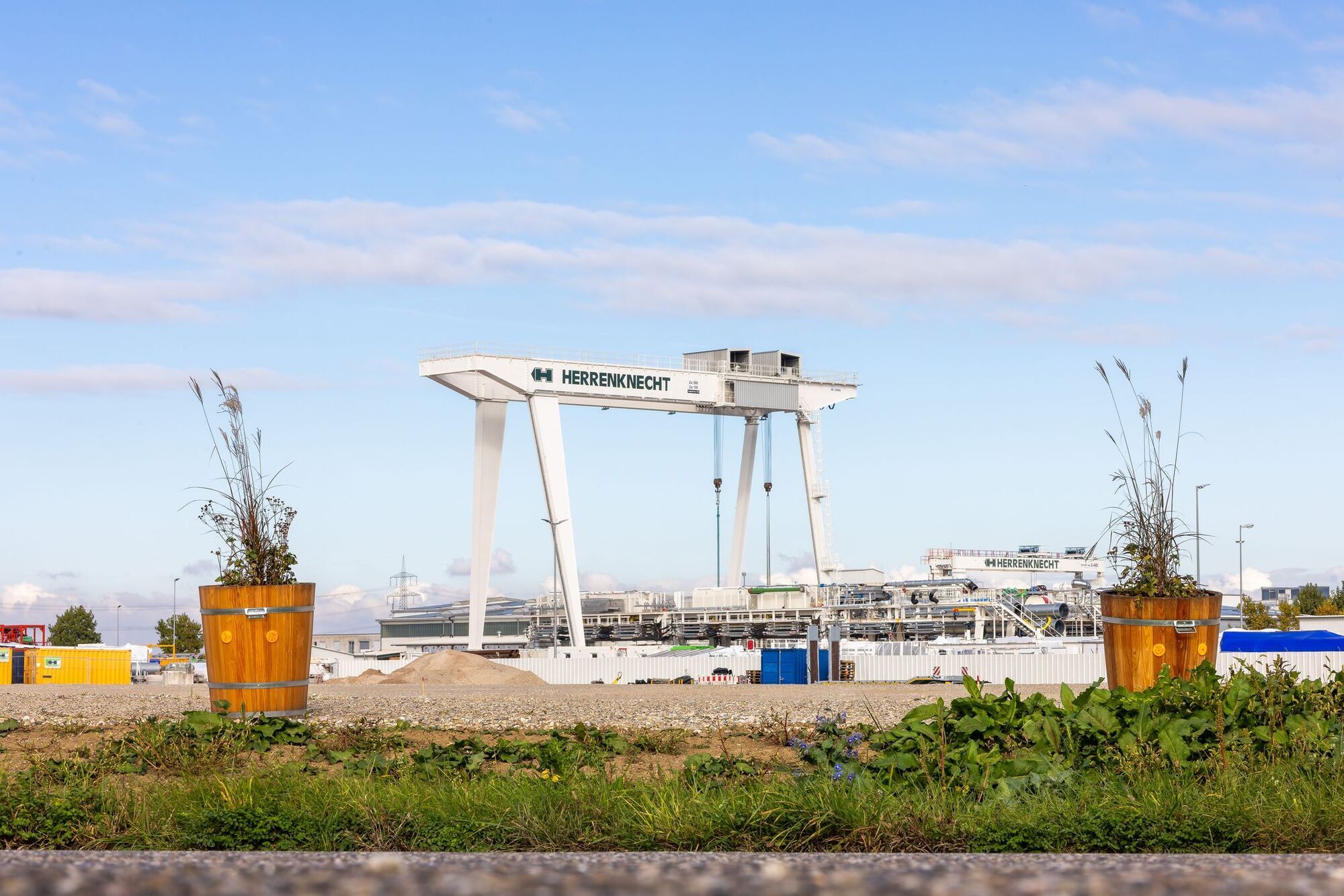
The small German municipality of Schwanau in Baden-Württemberg has become the unlikely stage for an escalating conflict between local government and one of the region's largest employers. The dispute centers around approximately 20 flower pots installed by the municipality two months ago...

Former German Defense Minister Karl-Theodor zu Guttenberg has firmly rejected media interpretations suggesting he supports softening the Christian Democratic Union's so-called "firewall" against the far-right Alternative for Germany (AfD). The CSU politician told Deutsche Presse-Agentur in...

MUNICH — Knorr-Bremse AG, the German manufacturer of braking systems for trucks and trains, announced on Monday it has agreed to acquire Dutch digital services platform TRAVIS Road Services International B.V. The deal, valued in the mid-double-digit million-euro range, represents the latest...

The International Biathlon Union is confronting climate change head-on with experimental roller-ski competitions, staging the Loop One Festival in Munich's Olympic Park as both a public showcase and practical preparation for potentially snowless winters. Top athletes from around the world...
