The Trump administration has escalated its trade restrictions against China by targeting the semiconductor industry, specifically the sale of chip design software. This move, as reported by Bloomberg and other sources, involves the Commerce Department's Bureau of Industry and Security instructing leading providers of electronic design automation (EDA) software to halt shipments to Chinese customers. Companies such as Cadence Design Systems Inc., Synopsys Inc., and Siemens AG are among those affected, with the policy aiming to curb China's advancements in semiconductor technology.
According to a spokesperson from the Commerce Department, the agency is currently reviewing exports of strategic significance to China. In some instances, existing export licenses have been suspended, or additional license requirements have been imposed pending the review. This development has had immediate financial repercussions for the involved companies, with Cadence and Synopsys experiencing significant drops in their stock prices following the announcement.
The restrictions are part of a broader strategy by the US to limit China's access to critical technologies that could enhance its military and economic capabilities. The semiconductor industry, being a cornerstone of modern technology, has been a focal point in the ongoing trade tensions between the two nations. The latest measures could potentially hinder China's ability to produce advanced chips, although the country has been investing heavily in its domestic semiconductor industry to reduce reliance on foreign technology.
While the full scope of the restrictions remains unclear, the implications for US companies and their Chinese counterparts are significant. With Synopsys and Cadence deriving a notable portion of their revenue from China, the new export controls could impact their financial performance. Meanwhile, China's determination to achieve self-sufficiency in semiconductor manufacturing may be further galvanized by these developments, as it seeks to navigate the challenges posed by US trade policies.

Former German Defense Minister Karl-Theodor zu Guttenberg has firmly rejected media interpretations suggesting he supports softening the Christian Democratic Union's so-called "firewall" against the far-right Alternative for Germany (AfD). The CSU politician told Deutsche Presse-Agentur in...
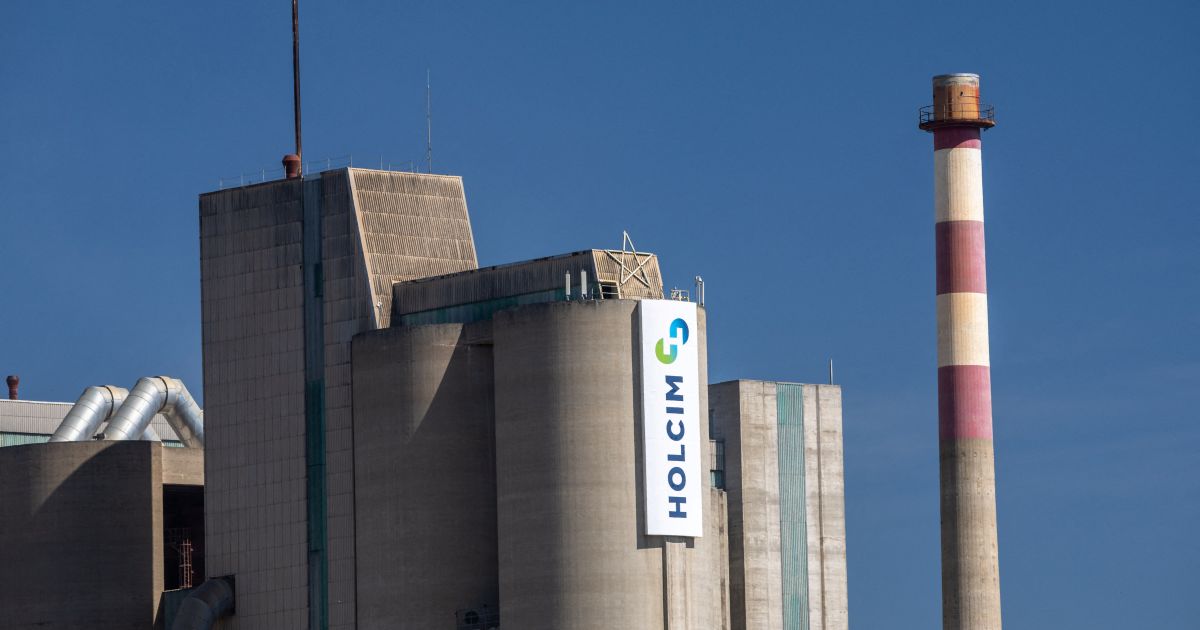
Swiss cement conglomerate Holcim has agreed to acquire German building materials manufacturer Xella for €1.85 billion, marking a significant strategic move in the European construction sector. The transaction, announced on Monday, is expected to be finalized in the second half of 2026,...

The small German municipality of Schwanau in Baden-Württemberg has become the unlikely stage for an escalating conflict between local government and one of the region's largest employers. The dispute centers around approximately 20 flower pots installed by the municipality two months ago...

The mood in Germany's residential construction sector has improved to its highest level in over three years, according to the latest Ifo Institute survey. The business climate index for housing construction rose sharply in September to -21.8 points, up from -26.4 points in August, marking the...

The International Biathlon Union is confronting climate change head-on with experimental roller-ski competitions, staging the Loop One Festival in Munich's Olympic Park as both a public showcase and practical preparation for potentially snowless winters. Top athletes from around the world...

